
The wellness boom is no longer just about spa menus and yoga at sunrise. Today’s travellers are arriving with far more specific ambitions: to sleep better, live longer, recover faster, think more clearly, and return home genuinely healthier than when they left. As longevity science, AI-powered diagnostics and medical wellness reshape the hospitality landscape, hotels and retreats are being challenged to offer experiences that deliver measurable outcomes without losing the human touch.
Few people have had a closer view of this transformation than Susie Ellis, Chair and CEO of the Global Wellness Summit and Global Wellness Institute. Having helped shape the global conversation around wellness for nearly two decades, Ellis has watched the industry evolve from a niche luxury offering into one of travel’s most influential sectors. Ahead of the 2026 Global Wellness Summit in Thailand, she shares her perspective on the trends set to define the next chapter of wellness hospitality—from longevity and neurowellness to the growing importance of recovery, community and authentic human connection in an increasingly digital world.
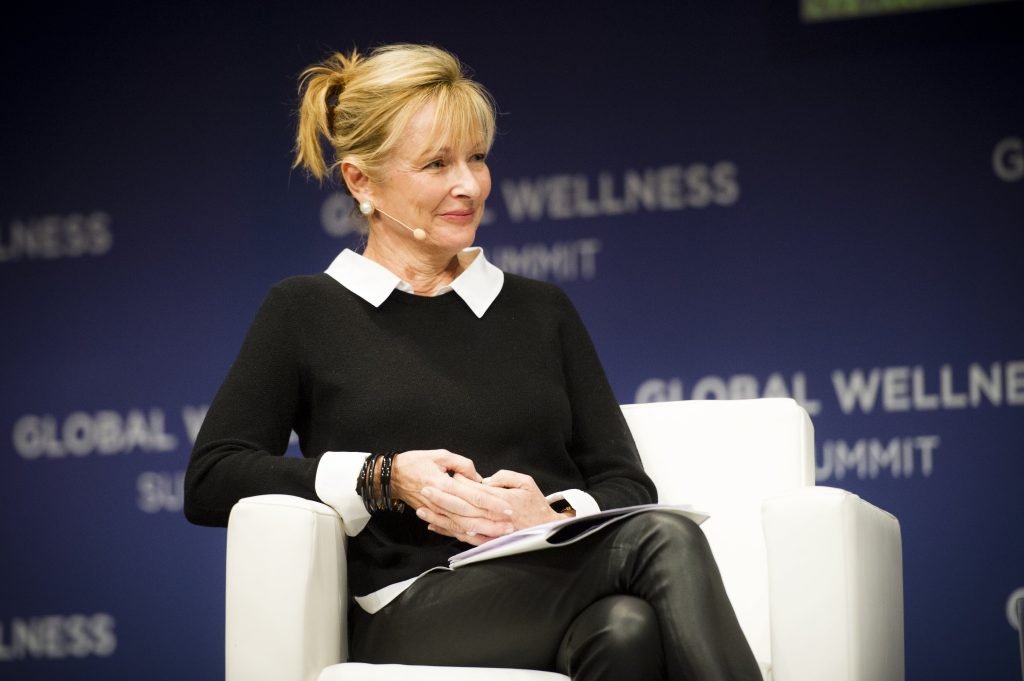
The wellness industry has evolved dramatically over the past decade. What trends do you believe will define the next era of wellness travel and hospitality?
We’re seeing several powerful forces shaping the future of wellness travel. Longevity continues to gain momentum, with growing interest in diagnostics, prevention, and personalised health strategies. Recovery is also becoming a major focus, as people recognise that rest and restoration are just as important as performance and productivity.
At the same time, travellers are seeking experiences that help them sleep better, spend more time in nature, and connect with authentic local cultures and traditions. Neurowellness—supporting brain health, cognitive performance, and emotional wellbeing—is another area seeing rapid growth. Perhaps most importantly, we’re seeing renewed interest in community and meaningful human connection, which many people feel is missing from modern life.
See also: Checking In: Award-Winning Wellness At Layan Life By Anantara

Which trends from the latest Global Wellness Summit trend report are already having the biggest impact on hotels, retreats, and spa operators?
Several trends from our latest report are already influencing wellness hospitality. Neurowellness is driving new programming focused on stress reduction, resilience, focus, and emotional wellbeing. Skin longevity is moving the conversation beyond beauty toward long-term skin health and prevention.
We’re also seeing a response to our “Over-Optimisation Backlash” trend, with more properties incorporating joy, play, celebration, and social experiences alongside health-focused offerings. Women’s health and longevity are becoming a much larger focus, while longevity residences are creating entirely new models that blend hospitality, healthcare, and lifestyle.
Many of these topics, including longevity, neurowellness, women’s health, recovery, and the future of medical wellness, will be explored in depth at the 2026 Global Wellness Summit in Thailand this November.
Wellness is increasingly intersecting with technology, AI, diagnostics, and biometrics. How do you see the balance between high-tech and human-centred wellness evolving?
I don’t see these as competing forces. In fact, they often work best together.
Advanced diagnostics, AI, and biometrics can provide valuable insights and help people make more informed decisions about their health. At the same time, human wellbeing depends on things technology can’t replace—nature, community, touch, purpose, and meaningful experiences.
What we’re seeing is a growing recognition that while technology can help us understand ourselves better, it doesn’t necessarily help us feel better on its own. The most successful wellness experiences will combine the best of both worlds: science and technology alongside human connection and restorative environments.
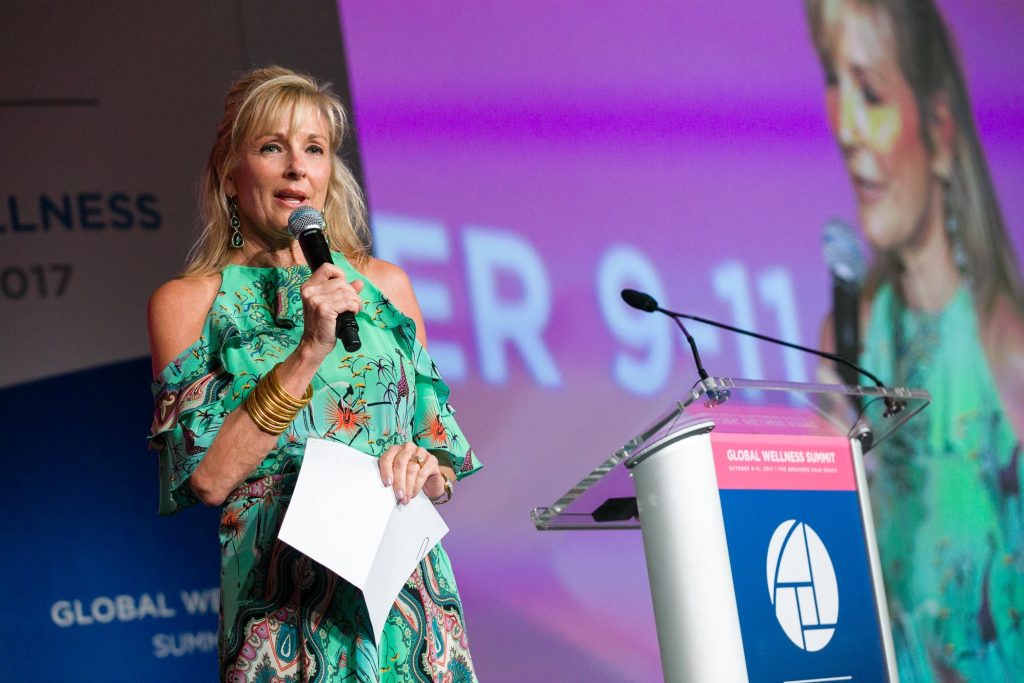
How do you see medical wellness and hospitality converging over the next five years?
Medical wellness and hospitality are becoming increasingly interconnected, but I believe they will remain distinct in important ways. Historically, they have come from very different cultures—one rooted in medicine and clinical expertise, the other in service, wellbeing, and hospitality.
What is changing is the level of collaboration and mutual respect between the two. Wellness professionals are becoming more knowledgeable about science and medical advancements, while medical professionals are gaining a deeper appreciation for the role that lifestyle, stress management, movement, sleep, nutrition, and emotional wellbeing play in long-term health.
Over the next five years, I expect to see much stronger partnerships between these sectors and many more integrated guest experiences.
Which regions or destinations are currently leading the longevity movement in the wellness travel space?
Europe remains a leader, particularly Switzerland, which is home to some of the world’s most established longevity and medical wellness destinations. Spain, Austria, and Germany are also seeing significant innovation in this area.
At the same time, we’re watching exciting developments across Asia, including India, China, and Thailand (where we are hosting our 20th anniversary Summit), where traditional healing systems are increasingly being integrated with modern approaches to preventive health and longevity.
See also: Miraval Resorts & Spas: The Brand That Defined Modern Wellness Travel

What hospitality brands or concepts do you believe are genuinely innovating in wellness right now?
Several brands stand out for their commitment to innovation. Six Senses continues to lead with its holistic approach that integrates wellness, sustainability, sleep, recovery, and community. Chenot, SHA, Clinique La Prairie and Lanserhof are helping redefine the relationship between wellness and medicine through highly personalised, science-based programs.
We’re also seeing established luxury hospitality brands, including Mandarin Oriental, continue to expand and evolve their wellness offerings in meaningful ways.
What are travellers increasingly prioritising when choosing wellness retreats or spa destinations?
Travellers are becoming much more intentional. Rather than simply booking a wellness retreat, they’re asking what outcome they want to achieve—whether that’s improving sleep, reducing stress, increasing longevity, enhancing fitness, or recovering from burnout.
Nature remains a major draw, as do destinations with strong wellness expertise and highly qualified practitioners. We’re also seeing increased interest in cooler climates, concerns about geopolitical stability and safety, and a desire for experiences that feel authentic rather than generic.
Which under-the-radar trend do you believe the hospitality industry should be paying closer attention to right now?
Neurowellness is one of the most important emerging areas in wellness today. As stress, anxiety, distraction, and cognitive overload continue to rise globally, people are looking for ways to support brain health and emotional resilience.
I’d also highlight the growing importance of community. For years, wellness has focused heavily on the individual. Increasingly, we’re seeing demand for experiences that foster meaningful social connection. Hospitality brands shouldn’t simply provide opportunities for community—they should actively help create it.
We’re also seeing growing interest in the role of arts, culture, creativity, and intellectual stimulation as part of a broader wellness experience.

Looking ahead, what do you think the wellness hospitality landscape will look like in 2030?
I believe it will be more diverse, more personalised, and more integrated than ever before.
We’ll see greater collaboration between wellness and medical sectors, more sophisticated approaches to longevity and prevention, and a wider range of specialised offerings. Some brands may become known for recovery, others for sustainability, longevity, performance, sleep, community, or mental wellbeing.
Most importantly, I hope we’ll see a stronger emphasis on joy, connection, and belonging. Those human needs are becoming increasingly important in a digital and often fragmented world.
If you could give one piece of advice to hospitality brands hoping to stay relevant in the wellness space, what would it be?
Invest in the wellbeing of your own people.
Many hospitality brands focus intensely on guest wellness while paying relatively little attention to the health and wellbeing of their teams. Guests can sense when wellness is truly embedded in a culture—and when it isn’t.
The most successful wellness brands of the future will be those that create healthy, supportive environments not only for their guests, but also for the people delivering the experience every day.
Find out more about the Global Wellness Summit and Global Wellness Institute
Follow Susie Ellis on LinkedIn