


The Global Wellness Institute (GWI) has published its Global Wellness Economy Monitor 2026, the most in-depth edition of the report to date, released on November 11 with a Miami and Phuket dateline. Running to 160 pages, it sets out fresh data and projections for the global market and for each of its 11 sectors. Here are the twelve findings that matter most to anyone who travels, works or invests in wellness.
1. The Wellness Economy Has Reached a Record US$7.5 Trillion
The global wellness economy grew 8.9 per cent between 2024 and 2025 to hit a new peak of US$7.5 trillion. GWI expects it to reach US$8.2 trillion by the end of 2026 and to approach US$11 trillion by 2030, with its forecast for that year standing at US$10.9 trillion. For context, the market was worth $3.4 trillion in 2013, when GWI first measured it, which means people worldwide now spend 2.2 times more on wellness than they did then.

2. Growth Is Accelerating, Not Levelling Off
The market has expanded 49 per cent since 2019, an annual rate of 6.9 per cent, and GWI expects even stronger annual gains of 7.7 per cent through 2030. That pace is about 50 per cent faster than the projected expansion of global GDP, and it lifts wellness’s share of the world economy from 4.3 per cent in 2013 and 6.36 per cent in 2025 to an estimated 7.21 per cent by 2030.
See also: Minor Hotels Unveils Life Longevity, A Wellness Brand Built On Continuity Of Care

3. Wellness Now Surpasses the Pharmaceutical Industry
GWI offers two comparisons to show the scale of the sector. The wellness economy is now nearly four times larger than the global pharmaceutical industry, valued at US$1.94 trillion, and equal to 61 per cent of all global health expenditure, where consumer and government spending combined come to US$12.3 trillion.

4. The Drivers Are Structural, Not Fashionable
Katherine Johnston, GWI senior research fellow, argues that although it may seem the industry has reached “peak wellness”, the reality is the opposite, because the growth is “not simply a consumer trend”. She points to powerful forces in every region: rapidly ageing populations, over-burdened healthcare systems, and rising rates of chronic disease, stress and mental health challenges. Together, she says, these pressures make prevention, healthspan and healthy living environments more critical than ever.
See also: The World’s Best Hotel Tennis Courts: 9 Luxury Stays Worth Packing a Racquet For

5. Wellness Real Estate Is the Breakout Star
No sector has risen faster. Wellness real estate is now 3.5 times larger than it was in 2019, worth US$876 billion in 2025 and up 23.2 per cent in a single year. GWI says the pandemic changed how people think about the effect of their surroundings on their health, moving the category from niche to mainstream and across every real estate class, and lifting it from the seventh- to the fifth-largest wellness market in three years. The momentum continues: forecast to grow 15.3 per cent annually, it is expected to more than double to US$1.8 trillion by 2030 and become the second-largest market, behind only personal care and beauty.

6. Mental Wellness Has Nearly Doubled Since 2019
In what GWI calls an age of immense stressors and permacrises, mental wellness is the second growth star, up 11 per cent year on year to US$301 billion. The sector is projected to be the second-fastest growing through 2030, at 12.6 per cent a year, reaching US$544 billion. The United States dominates at US$139 billion, with China a distant second at US$18 billion.
7. Travel-Based Wellness Is Storming Back
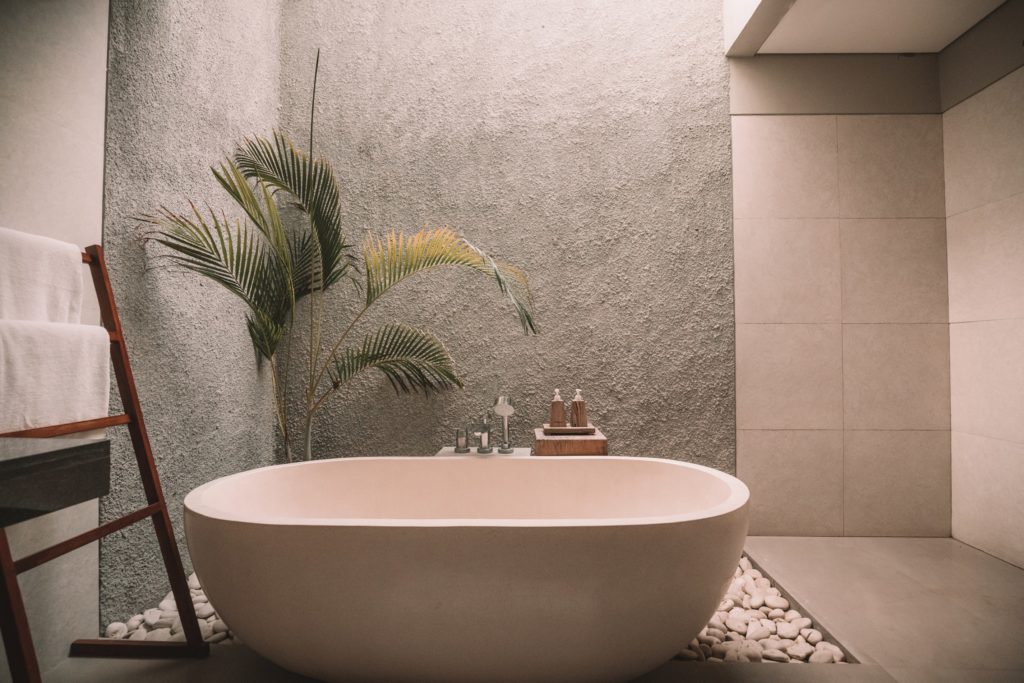
The three tourism-based sectors, wellness tourism, spas and thermal and mineral springs, took the longest to recover from the pandemic, but between 2024 and 2025 they were three of the five fastest-growing wellness markets. Spas grew 12.8 per cent to US$184 billion, wellness tourism 11.4 per cent to US$982 billion, and thermal and mineral springs 10.4 per cent.
8. Europe, the Middle East and Asia Are Pulling Ahead
Every regional wellness market has grown strongly since 2019, but Europe (12.3 per cent), the Middle East and North Africa (11.3 per cent) and Asia (9.7 per cent) posted the biggest gains between 2024 and 2025. In wellness tourism specifically, the United States still accounts for 36 per cent of global spend, yet the fastest percentage growth came from the Middle East and North Africa (21.5 per cent), Sub-Saharan Africa (18.1 per cent) and Asia (15.6 per cent). Spending per person remains uneven: US$6,419 in North America and US$2,149 in Europe, against US$635 in Latin America and the Caribbean, US$527 in Asia-Pacific and US$440 in the Middle East and North Africa.
See also: How GLP-1s Are Changing Weight-Loss & Fitness Retreats
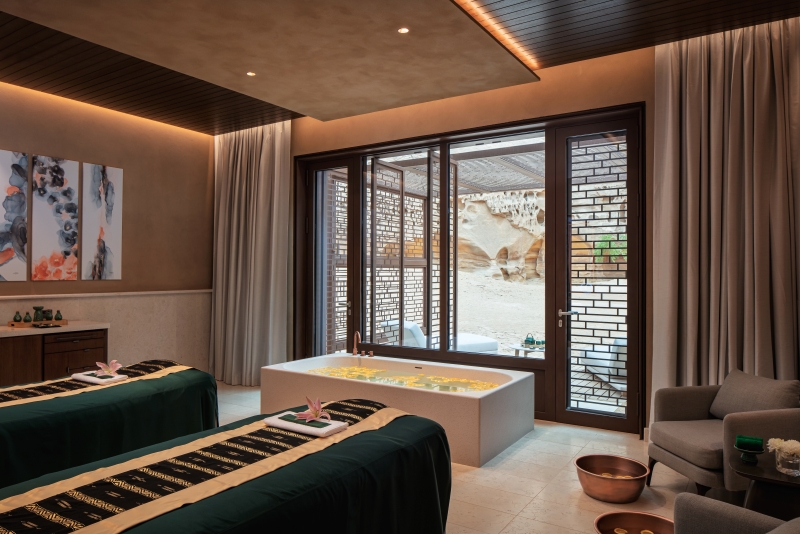
9. Spas, Wellness Travel and Hot Springs Keep Climbing
The outlook for the travel-led sectors remains strong through 2030. Spas are forecast to grow 8 per cent a year to US$270 billion, and wellness tourism 7.1 per cent a year to US$1.4 trillion. Thermal and mineral springs are the standout at 9.8 per cent annually, to US$124 billion, as what GWI calls the social bathing mania shows no sign of easing and hundreds of new destinations are in the pipeline.

10. Longevity Is Reshaping Complementary and Personalised Medicine
Traditional and complementary medicine, worth US$646 billion today, is projected to be the fourth-fastest gainer at 9.1 per cent a year, reaching US$1 trillion by 2030. GWI notes that this is not only because Ayurveda, traditional Chinese medicine and herbal medicines are rising, but because the category also holds the longevity and biohacking approaches now multiplying, from infrared light therapy to cryotherapy. Meanwhile the personalised medicine subsector, now worth US$364 billion after growing 7.7 per cent in the last year, is projected to grow 9.3 per cent annually as consumers turn to longevity and healthspan solutions.

11. Workplace Wellness Is the One Sector Standing Still
Of the 11 sectors, ten have grown both since 2019 and year on year. Workplace wellness is the exception, at just 1.3 per cent annual growth to US$56 billion. GWI attributes this to employers adopting more meaningful, holistic approaches to employee wellbeing that reach well beyond a standalone programme, and to the rise of remote and gig work, which leaves more employees without these benefits.
See also: The Demis Clinic’s Dr Joe On Thai Aesthetics, Skin Longevity & The Future Of Beauty

12. Seven Sectors Will Be Worth More Than US$1 Trillion by 2030
Three wellness sectors are worth over a trillion dollars today. By 2030, GWI expects seven to be: personal care and beauty; wellness real estate; physical activity; healthy eating, nutrition and weight loss; wellness tourism; public health, prevention and personalised medicine; and traditional and complementary medicine.
