
For more than two decades, Melinda Anna Farina has focused on something the aesthetics industry rarely talks about: the decision that comes before any procedure. In 2004, she founded Integrated Aesthetics Consulting Inc. and Beauty Brokers Inc. to fill a gap she saw in the market—surgeons had consultants, but patients had no one exclusively on their side.
Her path into aesthetics started unconventionally, through cosmetic dentistry and practice management, shaped in part by a personal experience with medical misdiagnosis that taught her how vulnerable patients can be without independent guidance. Today, Beauty Brokers works with a global network of nearly 5,000 vetted practitioners, evaluated through a proprietary 500-point system and reassessed every six months. Compare Retreats chats with Farina about building an industry category from scratch, her own approach to skincare and wellness, and the importance of patient advocacy.
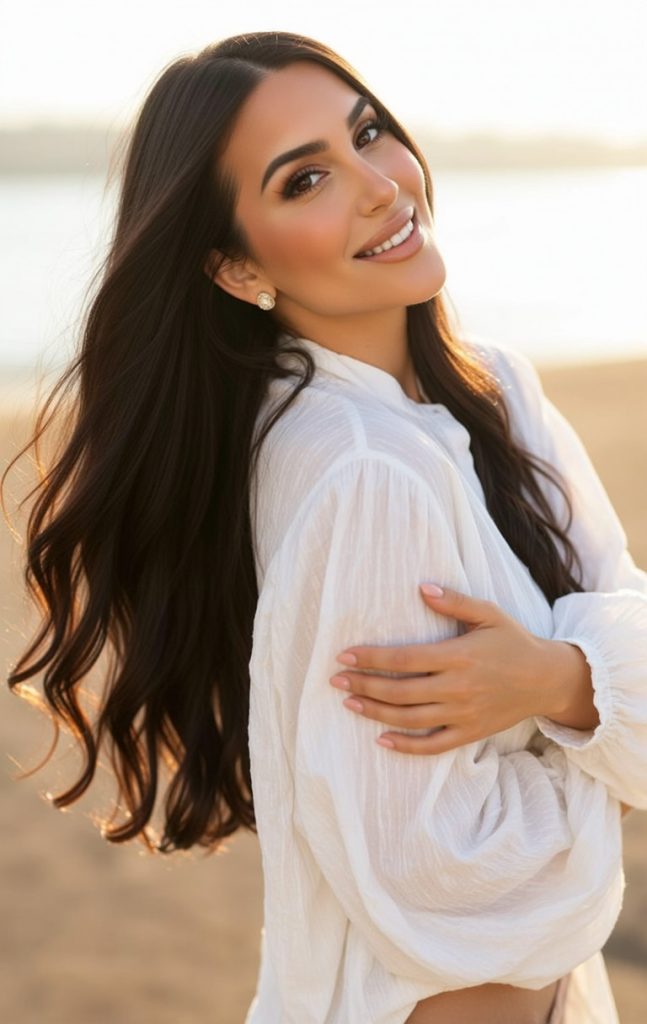
Can you share the story of how you started in the health and beauty industry? What inspired you to found Integrated Aesthetics Consulting Inc. and Beauty Brokers Inc. in 2004?
I started extraordinarily young. My first exposure to this world was through cosmetic dentistry and practice management, long before aesthetics became the enormous consumer industry it is today. I became fascinated not simply by transformation, but by everything happening behind it: how practitioners made decisions, how practices operated, why certain patients achieved exceptional outcomes while others did not, and how difficult it was for consumers to distinguish great marketing from great medicine.
There was also a deeply personal component. When I was young, someone very close to me experienced a medical misdiagnosis, and I saw firsthand how vulnerable a patient can become when they don’t know what questions to ask or where to turn for independent guidance. That stayed with me.
By 2004, I recognised a fundamental gap in the marketplace. Patients had surgeons. Surgeons had practice consultants. But who was sitting exclusively on the patient’s side of the table?
That question ultimately became the foundation for Integrated Aesthetics Consulting Inc. and Beauty Brokers Inc. I wanted to build an independent advisory model where patients could have an experienced advocate helping them navigate physicians, procedures, safety, expectations and increasingly complicated aesthetic decisions. Twenty-plus years later, that fundamental mission hasn’t changed.
Looking back, what was the biggest challenge you faced in launching your companies, and how did you overcome it?
The biggest challenge was creating a category that didn’t really exist. Today, people understand the concept of consultants, advocates and intermediaries in virtually every sophisticated industry. In 2004, telling someone they should hire an independent consultant before hiring a plastic surgeon required considerably more explanation. I also didn’t come from enormous financial privilege or have unlimited capital behind me. I built my businesses through work, reputation and results. That meant every client mattered.
The challenge ultimately became our competitive advantage. Because there wasn’t a blueprint, I had to create one. And because I couldn’t buy credibility, I had to earn it.
You have a unique background in dentistry, practice management, and aesthetics. How have these disciplines shaped your approach to consulting and patient advocacy?
They taught me to look beyond the procedure. Dentistry taught me about anatomy, precision, facial proportion and the extraordinary impact seemingly small changes can have on someone’s appearance. Practice management taught me something equally important: how medicine operates behind the curtain. You can learn an enormous amount about a physician by understanding their systems, staff, decision-making, operating environment and how complications are managed.
Aesthetics taught me to see the face globally rather than as a collection of isolated features. That multidisciplinary background is probably why I’ve never approached consulting as simply, “Here is a good doctor.” There are many excellent doctors. The far more sophisticated question is: “Who is the right doctor for this particular patient, anatomy, procedure and desired outcome?” Those are completely different questions.
See also: The Best Spa Hotels & Resorts In The UK

Over nearly three decades, how has the beauty and aesthetics industry evolved, and how have you adapted to stay ahead?
The biggest transformation has been the democratisation of information. When I began, patients primarily learned about plastic surgery through physicians, magazines and word of mouth. Today they have Instagram, TikTok, Reddit, podcasts, before-and-after accounts, influencers and thousands of people offering opinions about procedures and doctors.
That access can be empowering. It can also create tremendous confusion. A patient can consume 100 hours of plastic-surgery content and actually become less equipped to make a good decision because information without context isn’t expertise. Our role has therefore evolved. We aren’t gatekeepers of information. We are interpreters of it. We continually audit physicians, study outcomes, follow surgical techniques, monitor emerging technologies and challenge our own assumptions. In this industry, the moment you believe you know everything is probably the moment you become dangerous.
What are some of your signature treatments or services that clients consistently seek out?
Our signature service isn’t actually a treatment. It is decision-making. People frequently come to us believing they already know what they need: a facelift, rhinoplasty, breast surgery, body contouring, revision surgery or a particular device. Sometimes they’re correct. Sometimes the most valuable thing we can tell them is, “Don’t do it.”
We are particularly known for complex surgical matching, facelift and facial-rejuvenation guidance, revision cases and helping patients who are overwhelmed by conflicting recommendations. The value is not selling someone another procedure. The value is helping them make the right decision before that decision becomes irreversible.
How do you decide which aesthetic trends to support or recommend?
I focus on evidence, anatomy, reproducibility and time. I am deeply skeptical of anything that suddenly becomes universally appropriate because it is trending online. Human anatomy doesn’t change because an algorithm does.
We look at whether something solves a legitimate anatomical problem, whether the results are reproducible, what the complication profile looks like, who is performing it and—perhaps most importantly—what happens several years later. Aesthetics has historically been very good at showing people immediate results. I am much more interested in what those patients look like five or ten years later.
Can you share a memorable client experience that stands out in your career?
After working with tens of thousands of patients, there are many, but the experiences that stay with me aren’t necessarily the glamorous ones. They are the patients who come to us frightened after a complication, the person who has been told something cannot be corrected, or someone whose confidence has been profoundly affected by a previous experience. When that person eventually calls and says, “I finally feel like myself again,” that never becomes routine. Those moments remind you that although this industry is called “aesthetics,” what we’re dealing with is extraordinarily human.
With your global network of board-certified doctors and specialists, how do you ensure the highest level of safety and care for your clients?
I ensure the highest level of safety and care for clients by never confusing reputation with qualification. A famous surgeon is not automatically the right surgeon. A beautiful Instagram account isn’t clinical evidence. And board certification is an important starting point, not the end of due diligence.
Our evaluation goes considerably deeper. We work with almost 5,000 practitioners worldwide. We have a proprietary 500 checkpoint system for every practitioner. It’s a Pass or Go for me for each practice, based on whether those points made the final cut. We also continually reassess and audit every six months. Being recommended by us isn’t a lifetime appointment. Medicine evolves, physicians evolve and outcomes can evolve. Our responsibility is to the patient. We take it seriously.
See also: Dr. Dawn Mussallem & Fountain Life: Pioneering Precision Longevity In Partnership With The Estate
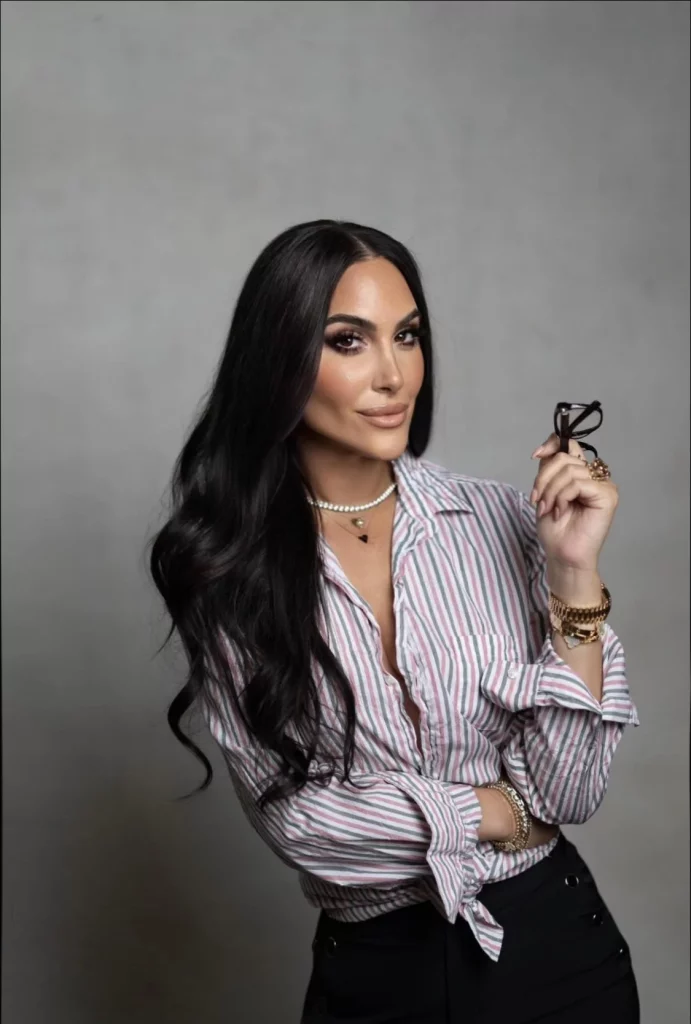
What does a typical day in your life look like, balancing running two companies and your consulting work?
There really isn’t a typical day. I may begin with consultations, review surgical cases and photographs, speak with physicians in several countries, work through operational issues with my team, evaluate a new surgeon or technology, and then spend part of the afternoon on media, writing or business development.
Running companies while remaining actively involved with clients requires tremendous discipline around time and access. One thing I have learned—perhaps later than I should have—is that being accessible to everyone does not make you a better founder. Protecting your attention is part of protecting the company.
You’ve been described as a “refreshing girl boss with a no-nonsense work ethic.” How do you maintain focus and motivation over the years?
I genuinely care about what I built. Beauty Brokers isn’t something I created because entrepreneurship was fashionable. I built it over decades. There were sacrifices attached to that—financially, personally and professionally—and I think when you’ve built something from the ground up, you have a very different relationship with it.
I’m also motivated by fairness. Patients deserve honest information. They deserve to understand what they’re agreeing to. And sometimes doing the right thing means telling someone something they don’t necessarily want to hear. I don’t think motivation comes from feeling inspired every morning. It comes from having a purpose strong enough that you keep showing up even on the mornings when you aren’t.
How do you unwind or recharge after a particularly busy week?
I have become very protective of quiet. I spent many years believing productivity meant constant availability. Now some of my happiest moments are incredibly simple: being home, spending time with my fiancé and golden retriever Eddie, taking a salt bath, having a great meal with people I love, travelling somewhere beautiful or simply having several hours when nobody needs anything from me.
I have developed a tremendous appreciation for JOMO—the joy of missing out. Peace has become one of my greatest luxuries.
See also: Trad Wives Love This Farm-To-Table Cooking Retreat In Ireland
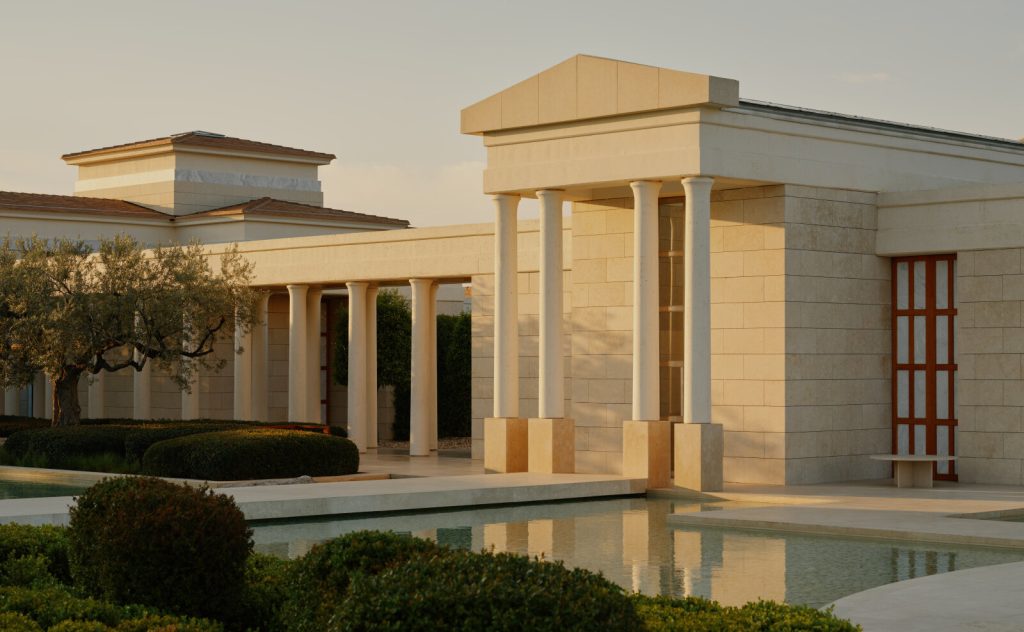
As someone deeply involved in health and aesthetics, do you have favourite spa hotels or retreats around the world that inspire you?
I gravitate toward places where wellness feels integrated into the environment rather than performative. I love European spa culture, particularly destinations where treatments, food, nature, architecture and rest coexist. Italy will always have a special emotional connection for me because of my family and heritage, and I find the Mediterranean approach to beauty incredibly refreshing. There is less obsession with optimisation and more appreciation for living well.
I’m a member at Aman and frequent their spas. I also love the culture at Casa Cipriani. I do visit Ischia and their thermal spas often. The best retreats make you forget you’re supposed to be “working on yourself.” You simply feel better when you leave.
Are there wellness routines or rituals you personally follow to stay balanced and energised?
Sleep has become non-negotiable for me. I also love massage, lymphatic drainage, facials and treatments that force me to physically disconnect from my phone and work. I have experimented with more intensive wellness experiences as well, but I’ve learned that the fundamentals matter most.
Rest. Movement. Hydration. Good food. Relationships that feel reciprocal. Boundaries. There isn’t a biohack sophisticated enough to compensate for a life that constantly dysregulates you.
See also: Miraval Resorts & Spas: The Brand That Defined Modern Wellness Travel
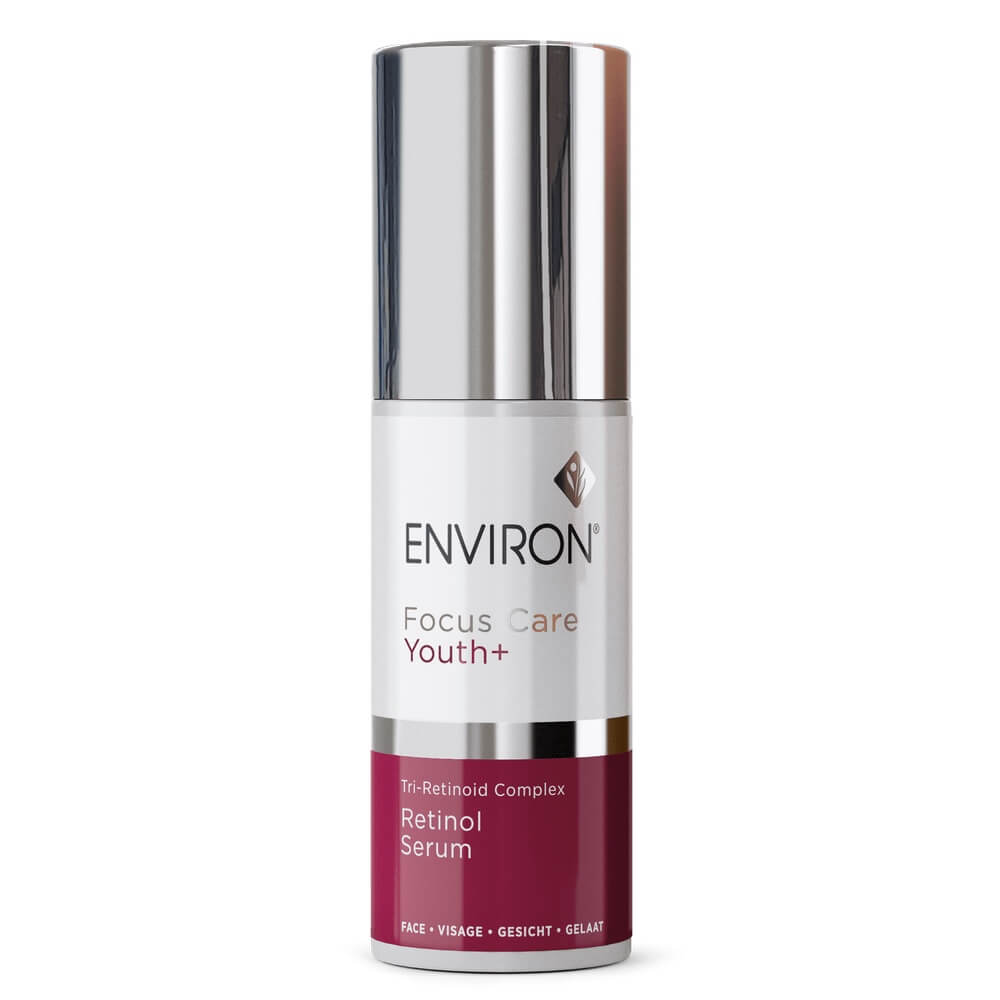
Can you describe your skincare regime and the products you swear by?
My philosophy is surprisingly uncomplicated considering the industry I’ve spent my life in. Consistency beats novelty. I believe strongly in daily sun protection. I lean towards Korean SPFs, retinoids or retinol—Environ, when appropriate and tolerated, thoughtful exfoliation, hydration and regular professional skin treatments. I love an excellent facial and have always appreciated sophisticated European skincare, particularly Biologique Recherche, which always appears in my day-to-day regimen. But I don’t believe anyone needs a bathroom containing 40 products.
The most expensive serum in the world cannot compensate for chronic sun exposure, poor sleep or constantly changing products because something new appeared on TikTok. Good skin is usually the cumulative result of boring things done exceptionally consistently.
How do you see the future of aesthetics and patient safety evolving over the next decade?
I think the next decade will force the aesthetics industry to confront the difference between access to information and quality of information. Artificial intelligence will transform how patients research procedures, evaluate doctors and understand potential outcomes. Technology will make aesthetic medicine increasingly personalised. Surgical planning will become more sophisticated, imaging will improve and we will have extraordinary tools for analysing anatomy and outcomes.
But technology also creates new risks. AI can amplify excellent medical information, but it can amplify misinformation just as efficiently. Highly sophisticated marketing can make almost anyone appear authoritative.
That makes independent patient advocacy more important, not less. I believe the future belongs to greater transparency, better data, longitudinal outcome tracking and much more sophisticated patient education. We need to stop measuring success solely by whether something looks beautiful three months after surgery and begin asking harder questions about safety, longevity, revision rates and quality of life. Ultimately, the future of aesthetics should not simply be about helping people do more. It should be about helping people make better decisions. And after nearly three decades in this industry, I believe that may be the most important evolution of all.
Find out more about Beauty Brokers here