
In Bangkok, aesthetic medicine is moving beyond the pursuit of looking younger. At The Demis Clinic, co-founder and lead dermatologist Dr Dissapong “Joe” Panithaporn is part of a growing movement towards a more considered approach—one centred on skin health, prevention and results that still look unmistakably like you.
For Dr Joe, the philosophy is personal. Having struggled with severe acne himself when he was younger, he saw first-hand how much healthier skin can influence confidence and wellbeing. After graduating from Ramathibodi Hospital, Mahidol University, and completing his Diploma in Dermatology at Thailand’s Institute of Dermatology, he went on to build a practice that brings together medical dermatology and aesthetics, with an emphasis on precision, subtlety and long-term skin quality. Here, Dr Joe discusses the evolution of Thai aesthetics, why international patients are travelling to Bangkok for treatment, and why the future of beauty may have less to do with looking younger—and more to do with ageing better.
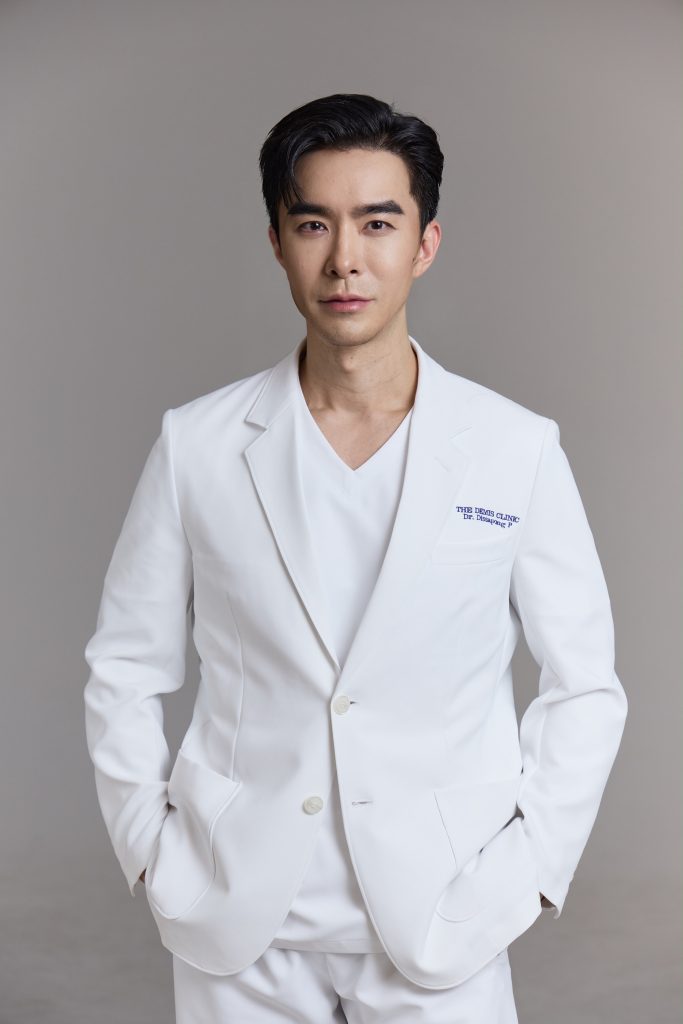
Take us back to the beginning—what first drew you to dermatology and aesthetics, and when did you realise this was the field you wanted to build your career in?
It actually started from a very personal experience. When I was younger, I struggled with quite severe acne, and I remember how much it affected the way I felt about myself. Once my skin improved through proper treatment, I realised that treating skin is not simply about making someone look better. When your skin becomes healthier, it can change the way you feel about yourself and the confidence you carry into everyday life.
That experience stayed with me and was one of the reasons I wanted to become a dermatologist. I graduated from Ramathibodi Hospital, Mahidol University, and later completed my Diploma in Dermatology at the Institute of Dermatology in Thailand. Over the years, my interest naturally expanded into aesthetics, but I have always approached aesthetics from a dermatologist’s perspective. For me, beautiful skin has to begin with healthy skin. And good aesthetic treatment should never make someone look like a different person—it should help them look like the best, healthiest version of themselves.
See also: How GLP-1s Are Changing Weight-Loss & Fitness Retreats
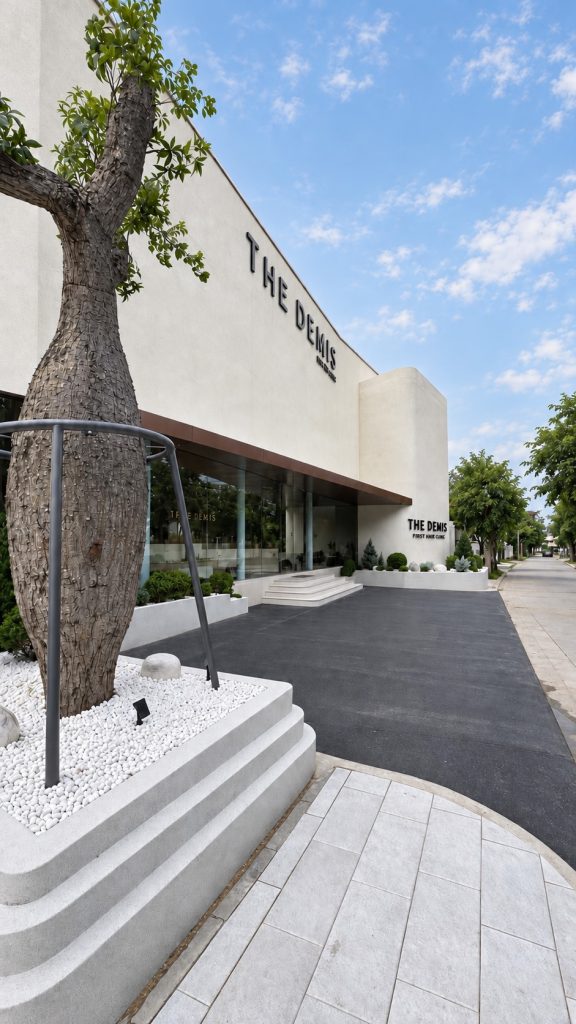
The Demis has become a destination for an increasingly international clientele, including names such as Kim Kardashian, Gwyneth Paltrow and Jackson Wang. How did that evolution happen, and what do you think keeps people travelling to Bangkok specifically to go to The Demis Clinic?
We never started The Demis with the goal of becoming a destination for celebrities or international patients. Our focus has always been on doing good work consistently and building trust, one patient at a time.
Over time, patients began recommending us to friends, families and people from other countries. Social media certainly helped, but I believe reputation still travels primarily through personal experience. Today, I’m seeing patients coming not only from neighbouring Asian countries, but also from the Middle East, Europe and the US.
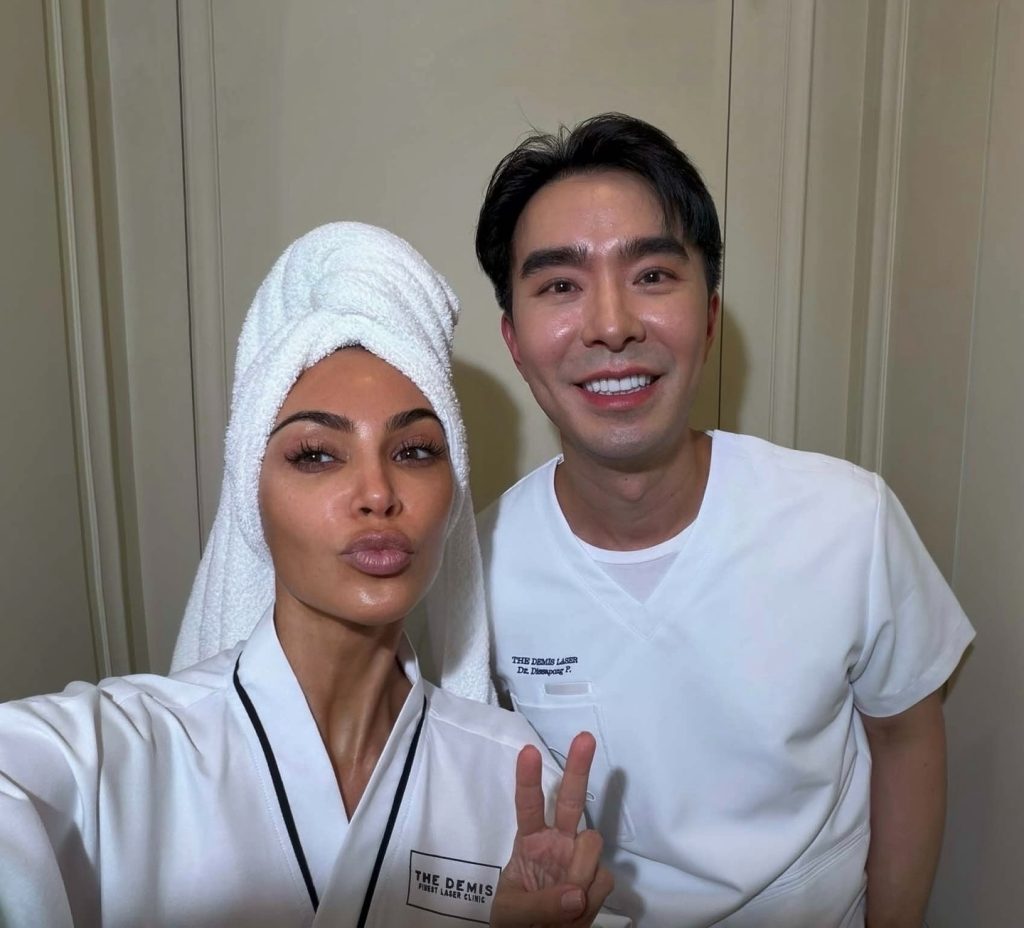
I think one of Thailand’s strengths is the combination of medical expertise and hospitality. At The Demis, we try to bring those two things together. The treatment is highly personalised and evidence-based, but the care is also very personal. For me, the greatest compliment is not when someone travels a long way to see us once. It is when they choose to come back.
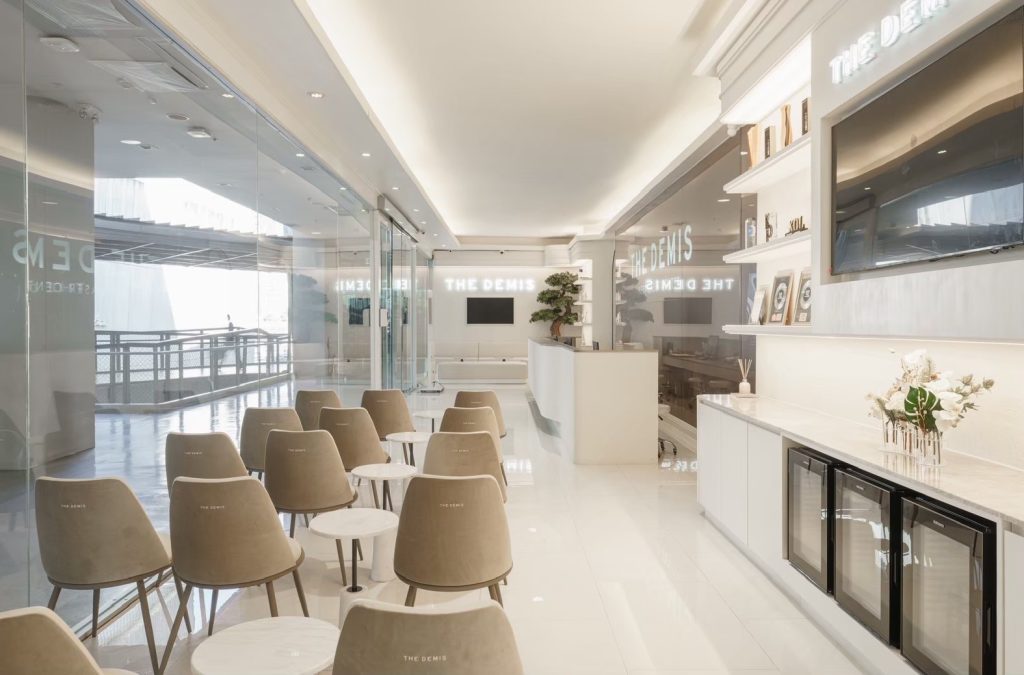
For someone visiting The Demis for the first time—particularly someone travelling from overseas—what does the experience actually look like from the moment they arrive? What happens during the consultation, and how do you determine what they need?
The consultation is probably the most important part of the entire visit. I don’t like starting with a treatment or a machine. I start with the person sitting in front of me. I ask what bothers them, what they would like to improve, what treatments they have had before, and also what they don’t want to change. Then I assess their skin quality, facial structure, proportions, movement and ageing pattern.
Sometimes a patient arrives thinking they need a particular treatment because they have seen it online, but after consultation, we may recommend something completely different—or occasionally, recommend doing less. We also don’t have one standard programme that everyone receives. The plan is individualised according to the patient, their priorities and the amount of downtime they can accept, which is particularly important for international patients who may only have a few days in Bangkok. My philosophy is quite simple: the treatment should follow the diagnosis, not the trend.
See also: Beauty Brokers’ Melinda Anna Farina On Wellness, Skincare & Why Consistency Beats Novelty
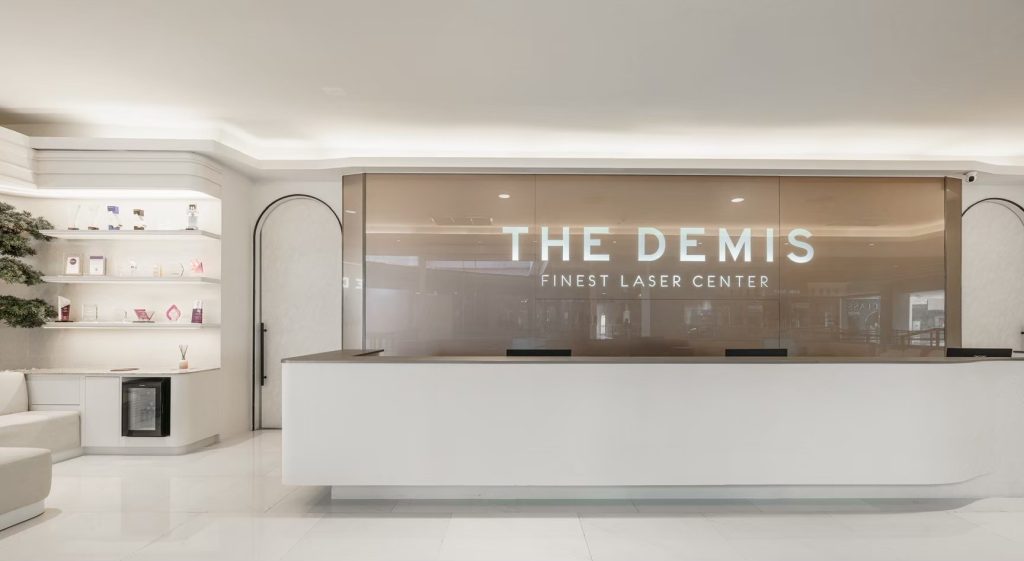
K-Beauty has dominated the global beauty conversation for years, but we’re now hearing more about “T-Beauty”—Thailand’s approach to beauty, wellness and aesthetics. What do you think defines T-Beauty, and how is it different from K-Beauty?
I have enormous respect for what Korea has achieved with K-Beauty. They created an ecosystem where skincare, technology, aesthetics and culture came together and became globally influential.
But I think T-Beauty has its own identity. Thailand has always had a very strong culture of care and hospitality. We are also a country where different cultures, facial structures and ideas of beauty meet. Thai doctors therefore have experience treating a very diverse range of patients. For me, T-Beauty is not about creating one particular “Thai look.” It is about personalisation, natural results, skin health and care.
Thai aesthetics can combine advanced technology and medical knowledge with something that is harder to quantify—the way we care for people. I often describe it as Care & Science. I hope T-Beauty will not simply become the “next K-Beauty.” I would rather see Thailand develop its own voice and eventually become recognised internationally for what we do particularly well.
We’re seeing a shift away from dramatic aesthetic transformation towards skin longevity, prevention and maintaining skin quality. How do you think the idea of “beauty” is changing, and what do you think we’ll be talking about in five years’ time?
I think beauty is becoming less about correction and more about preservation. In the past, aesthetic medicine often focused on fixing something after it had already changed—filling a wrinkle, lifting sagging skin or correcting pigmentation. Now we are thinking much earlier. How can we maintain collagen? How can we preserve facial structure? How can we keep the skin barrier healthy and help the skin function well for as long as possible?
This is where I think skin longevity becomes very important. In five years, I think we will talk less about individual treatments and more about long-term strategies. Energy-based devices, injectables, regenerative approaches, skincare and lifestyle will increasingly be considered together rather than separately. The goal won’t necessarily be to look younger. The goal will be to age better.
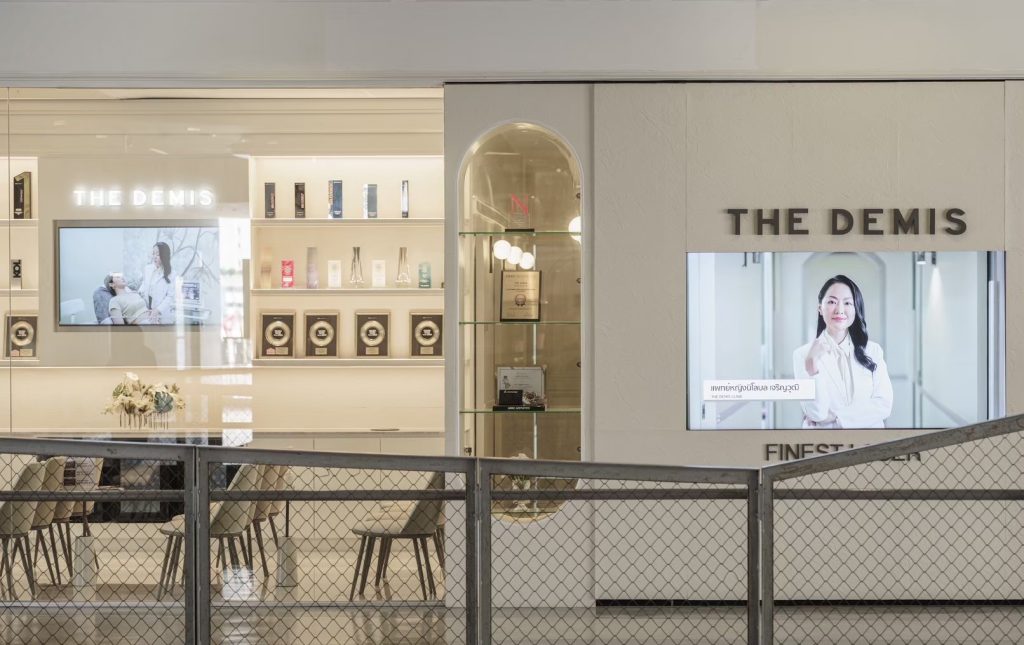
You spend so much of your life focused on skin, aesthetics and helping other people look and feel their best. What do you personally do to switch off and look after yourself?
This is something I’m still learning! [laughs]
My work is a very big part of my life. Even when I’m travelling, I’m often attending conferences, teaching, meeting other doctors or learning about new technologies, so switching off completely is quite difficult for me. But I’ve become much more conscious about looking after my health—exercising, eating well, getting enough rest when I can, and taking time away from my phone and work. I also enjoy simple things: good food, travelling, spending time with people close to me and discovering new places. For me, wellness doesn’t have to be complicated. Sometimes it is simply giving yourself enough time to recover—physically and mentally.
See also: Inside The Kardashians & Gwyneth Paltrow’s Favourite Aesthetics Clinic In Bangkok
When you have time to travel purely for yourself, where do you go to properly recharge—and what are your favourite wellness retreats or hotels around the world?
I travel so much for work that, when I travel purely for myself, I actually prefer somewhere quiet where I don’t have to follow a schedule. I love beautiful hotels, but what I remember most is usually not how luxurious a place is—it is how the place makes me feel. I enjoy destinations where nature, privacy, good food and wellness come together naturally. Thailand itself has some incredible places for this, particularly in Phuket, Koh Samui and the north of Thailand.
When I have only a few days, I also love staying somewhere peaceful by the sea. I don’t necessarily need a full programme. A good night’s sleep, exercise, healthy food, a massage and some time doing absolutely nothing can be the best reset. Perhaps that is also very Thai: wellness doesn’t always have to feel like work.
To learn more about The Demis Clinic, get in touch with bookings@compareretreats.com